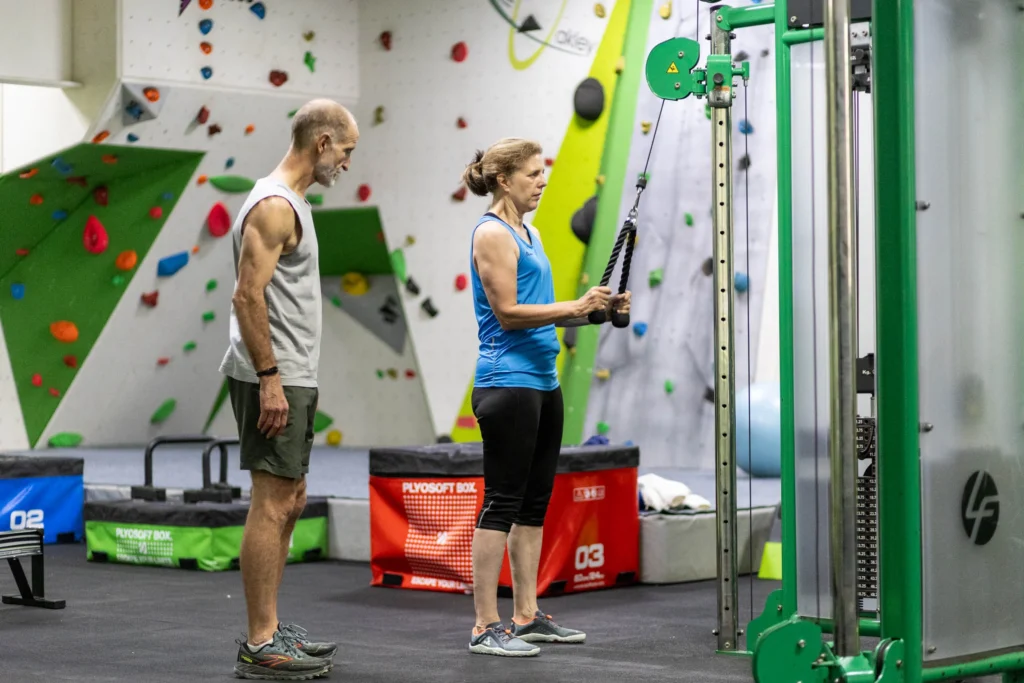
Strength is having a moment.
A recent position statement from the American College of Sports Medicine and a feature in New Scientist both highlight something that should be obvious, but often isn’t:
If you want to stay healthy, capable, and independent as you age, you need to maintain strength.
At DrTLifestyle, this isn’t a trend. It’s the foundation.
Strength Training Is Not About Looking Good
Resistance training is often associated with aesthetics. In reality, its benefits are far broader.
Regular strength training improves:
- Muscle mass and function
- Bone density
- Metabolic health and insulin sensitivity
- Balance and coordination
- Risk of falls and injury
- Long-term independence
This is not gym culture.
This is health.
Ageing, Muscle Loss and “Use It or Lose It”
From midlife onwards, we gradually lose:
- Muscle mass (sarcopenia)
- Strength (dynapenia)
- Power (often the first to decline)
This contributes to:
- Frailty
- Reduced mobility
- Increased risk of injury
- Loss of independence
The key message from both the ACSM and New Scientist:
This decline is not inevitable. It is largely behavioural.
If you don’t use strength, you lose it.
If you train it, you keep it.
What Does Effective Strength Training Look Like?
The ACSM guidance is straightforward and refreshingly free of hype:
- Train all major muscle groups
- 2–3 times per week
- Use moderate to high effort
- Progress gradually over time
You don’t need:
- Complex programmes
- Endless variation
- Social media workouts
You need consistency.
Effort Matters More Than Equipment
One of the most important — and most misunderstood — points:
Intensity matters.
This doesn’t mean lifting maximal weights. It means:
- The last few repetitions feel challenging
- Muscles are meaningfully fatigued
- The stimulus is enough to drive adaptation
Light weights done casually will not maintain strength.
This is where many people fall short.
Strength Is Also Neurological
Strength is not just about muscle size.
Training improves:
- Motor control
- Coordination
- Reaction time
- Balance
This is why strength training reduces falls risk and improves real-world function.
It’s not about looking strong.
It’s about being capable.
Strength Training and Lifestyle Medicine
Strength training sits alongside the core pillars of Lifestyle Medicine:
- Movement
- Nutrition
- Sleep
- Stress management
- Social connection
At DrTLifestyle, we integrate strength training into a broader approach:
- Build strength gradually
- Train the whole body
- Focus on functional movement
- Combine resistance and aerobic work
- Support it with sustainable lifestyle habits
No extremes. No shortcuts.
Strength Is Long-Term Health Insurance
If you want a simple takeaway:
Strength is one of the most important predictors of how well you will age.
It supports:
- Mobility
- Independence
- Metabolic health
- Injury resilience
- Confidence
You don’t need to become an athlete.
But you do need to be stronger than you are now — and stronger than you will be if you do nothing.
The DrTLifestyle View
We don’t chase perfection.
We build:
- Strength
- Capacity
- Consistency
- Confidence
Over time.
That’s what works.
References
- American College of Sports Medicine. ACSM Position Stand: Progression Models in Resistance Training for Healthy Adults.
- New Scientist. How to Stay Strong. 14 March Issue.
- Peterson MD et al. Resistance exercise for muscular strength in older adults. Ageing Research Reviews, 2010.
- Franchi MV et al. Skeletal muscle remodeling in response to resistance training. Frontiers in Physiology, 2017.