One of the most common mistakes I see is people viewing injury or illness as the end of exercise.
A sore knee.
A painful shoulder.
A dizzy spell.
A bout of illness.
Suddenly the mindset becomes:
“I can’t train.”
Recently, my DrTLifestyle circuit group provided a different perspective.
Whilst I was in Mexico, the group continued meeting without me. Then life intervened.
One member developed labyrinthitis.
Another fell from a step ladder, bruising his hip and elbow.
A third was helping care for her husband.
Only one member remained fully fit.
Yet nobody panicked.
Nobody announced that exercise was over.
Instead, the discussion became:
“What can I still do?”
That simple question is incredibly powerful.
The Tao of T
Over the years I have accumulated my fair share of injuries.
One of my less admirable traits is a tendency to return slightly too early.
However, I have also learned something useful.
When one door closes, another often opens.
Around 2011 I developed a nasty bout of plantar fasciitis.
I couldn’t run.
At the time, this felt disastrous.
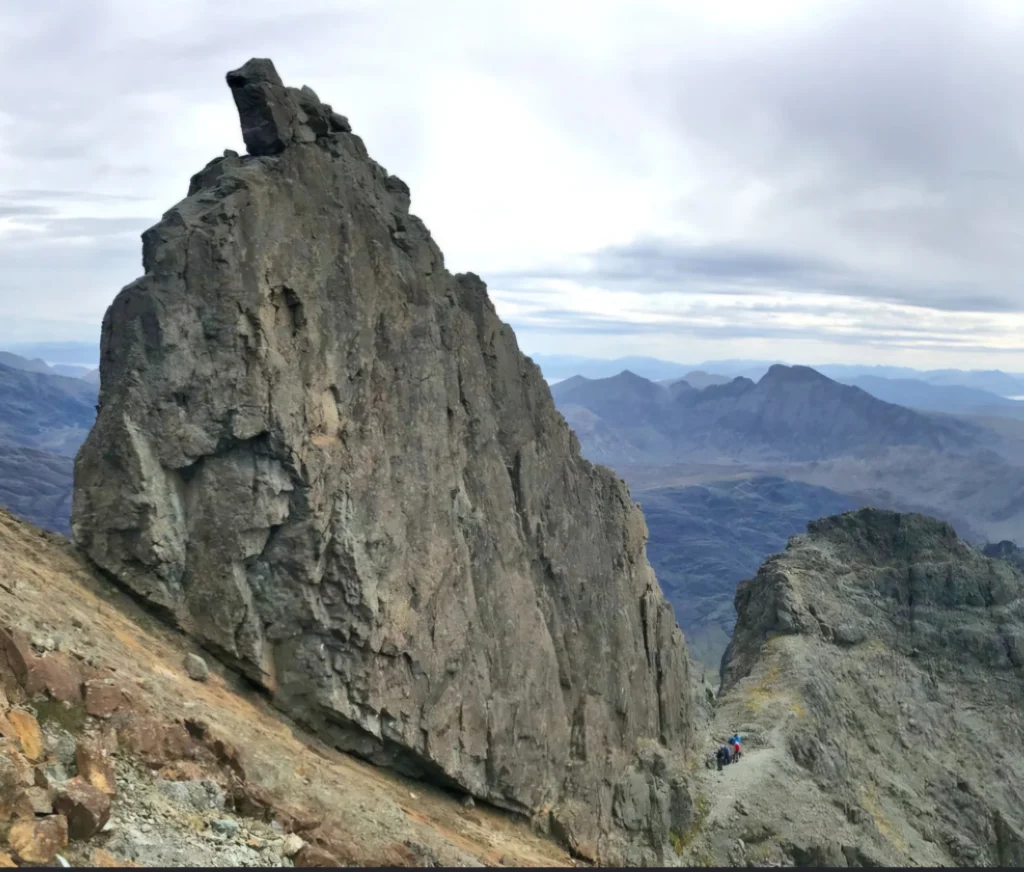
I had an ambitious mountaineering trip to Skye approaching and was convinced my fitness would disappear.
Instead, I discovered the elliptical trainer.
Six weeks later I was scrambling around the Cuillin like a mountain goat.
What I lost in running specificity, I largely maintained in fitness.
The lesson stayed with me.
Adapt, Don’t Stop
Injury does not always mean stopping.
It often means adapting.
A sore ankle may mean:
- cycling instead of running
- upper body work
- balance exercises
- mobility training
A shoulder problem may create an opportunity to work on:
- legs
- aerobic fitness
- walking
- core strength
A period of illness may be the perfect time to focus on:
- sleep
- breathing exercises
- stress management
Sometimes the body needs rest.
But often it benefits from intelligent adaptation.
Capability, Not Perfection
As I’ve got older, my goals have shifted.
In my younger years I was more interested in performance.
How fast?
How many?
How hard?
Now I am increasingly interested in capability.
Can I still climb a rope?
Can I walk a mountain?
Can I get up from the floor?
Can I continue participating in life?
Injury management becomes easier when viewed through this lens.
The goal is not to maintain perfection.
The goal is to preserve capability.
Community Matters
One thing that has impressed me about my circuit group is that they are beginning to solve these problems themselves.
The true test of a healthy lifestyle is not what happens when everything goes to plan.
It is what happens when life gets messy.
Illness.
Travel.
Family commitments.
Injury.
Weather.
The people who succeed long term are not those who never encounter obstacles.
They are the people who learn to adapt.
The DrTLifestyle Approach
When faced with injury or illness, I encourage people to ask:
“What’s still possible?”
Not:
“What’s impossible?”
The answer may be different for everyone.
But that simple shift in perspective often turns a setback into an opportunity.
Because the goal was never exercise for its own sake.
The goal was always to build the strength, confidence and capability to keep participating in life.